|
WhatDoesTheFoxSay.mp3 Size : 3513.468 Kb Type : mp3 |
FOX FOX FOX FOX FOX
 | OUR SITEThis site has a purpose. It is created to demonstrate the fact that people who know nothing about HTML or FOX, can google and easily create a site out of nothing. Clearly goes on to show, NOTHING'S IMPOSSIBLE Our team - Lora, Priya, Sony and Biju |
Scientific Name and Classification
Scientific name: Vulpini
Primary species of Fox: Foxes are part of the Canidae species. This includes dogs, jackals, coyotes, and dogs. if you go camping in the wilderness there is a chance that you may find any one of these animals.
Foxes include members of the following genera:
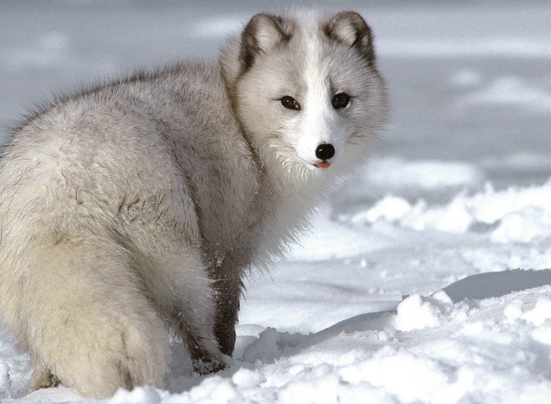
Alopex (Arctic fox, sometimes included with the "true" foxes in genus Vulpes)
- Arctic Fox, Alopex lagopus
Cerdocyon (crab-eating fox)
- Crab-eating Fox, Cerdocyon thous
Chrysocyon (Maned wolf in English, "big fox" in Guarani and "reddish fox" in Spanish)
- Maned Wolf, Chrysocyon brachyurus
Dusicyon (Falkland Island fox)
- Falkland Island Fox, Dusicyon australis
Lycalopex (Hoary Fox)
- Hoary Fox, Pseudalopex vetulus
Otocyon (bat-eared Fox)
- Bat-eared Fox, Otocyon megalotis
Pseudalopex (four South American species, including the culpeo)
- Culpeo, Pseudalopex culpaeus
- Darwin's Fox, Pseudalopex fulvipes
- Grey zorro, Pseudalopex griseus
- Pampas Fox, Pseudalopex gymnocercus
- Sechura Fox, Pseudalopex sechurae
- Hoary Fox, Pseudalopex vetulus
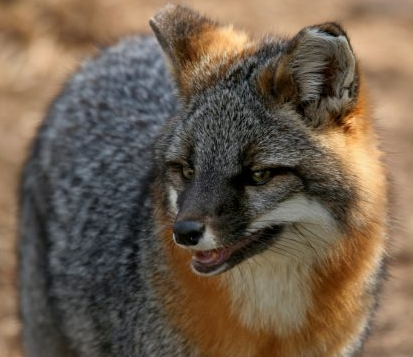
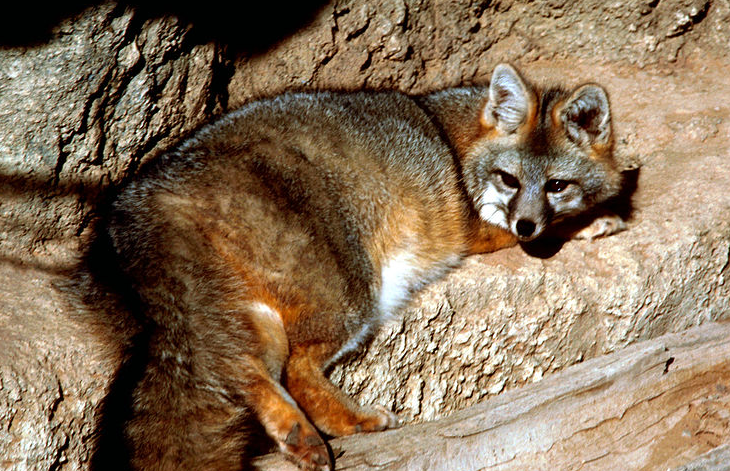
Urocyon (Gray Fox, island fox and cozumel fox)
- Gray Fox, Urocyon cinereoargenteus
- Island Fox, Urocyon littoralis
- †Urocyon progressus (fossil species)
Vulpes (the ten or so species of "true" foxes, including the Red Fox, Vulpes vulpes)
- Bengal Fox, Vulpes bengalensis
- Blanford's Fox, Vulpes cana
- Cape Fox, Vulpes chama
- Corsac Fox, Vulpes corsac
- Tibetan Fox, Vulpes ferrilata
- Kit Fox, Vulpes macrotis
- Pale Fox, Vulpes pallida
- Rooppell's Fox, Vulpes rueppelli
- Swift Fox, Vulpes velox
- Red Fox, Vulpes vulpes
- Fennec Fox, Vulpes zerda
Animal Behavior
The body of a fox is build to offer it strength and speed. They are very slender animals with a long nose and pointed ears. Looking at these canines you wouldn’t expect them to have such characteristics. They have thin legs that are very strong and that can move quickly. The padding on the bottom of their feet allow them to cover any type of terrain without difficulty.
They are able to move at a speed of up to 23 miles per hour. They are very graceful in their movements and can stay at a top speed longer than their prey and most of their predators. This element of speed is key to their overall survival. The strength develops when they are young as they spend time chasing each other round and playing games such as tug of war.
They have a coloring that varies with shades of red and brown. They are also white along the face and belly regions. Some species of fox also have black areas on their bodies. Many species have a long bushy tail. It isn’t used for balance as many people assume. There are scent glands found here that they use to mark territory and for interactions with each other.
- Height and weight of fox: 22-25 in tall and 10-15 lbs, Males can be from six to seven feet in length, stand two to two and a half feet e shoulder, and weigh from 100-160 pounds, depending on the race. Females are around 3/4 the size of males.
- fox breathes by inhaling air and exhaling carbon dioxcide. Foxes breathe just like humans breathe but, foxes have different organs in which they breathe in the air
- Fox lives around 5 years
Dietary Information
Arctic Foxes are omnivores
They feed on lemmings, voles, Arctic Hares, birds and their eggs, and carrion.
A famiy of Arctic Foxes can eat dozens of lemmings every day!
Fish under the surface of ice are also part of their diet.
During April and May, they feed on the Ringed Seal pups that are helpless and confined to their dens.
Any extra food they may have is buried and saved for when it isneeded, and when meat is not available to them, Arctic Foxes may also eat fruit and berries
Habitat Information
The fox is extremely versatile when it comes to the environment where they live. They are found throughout the Northern Hemisphere.
Natural surroundings needed for the animal to thrive
They are able to live in the plains, mountains, the desert, and both urban and suburban areas. In the winter months, many fox have to create dens that are underground. This is part of their overall ability to survive in a variety of different habitats.